à mente


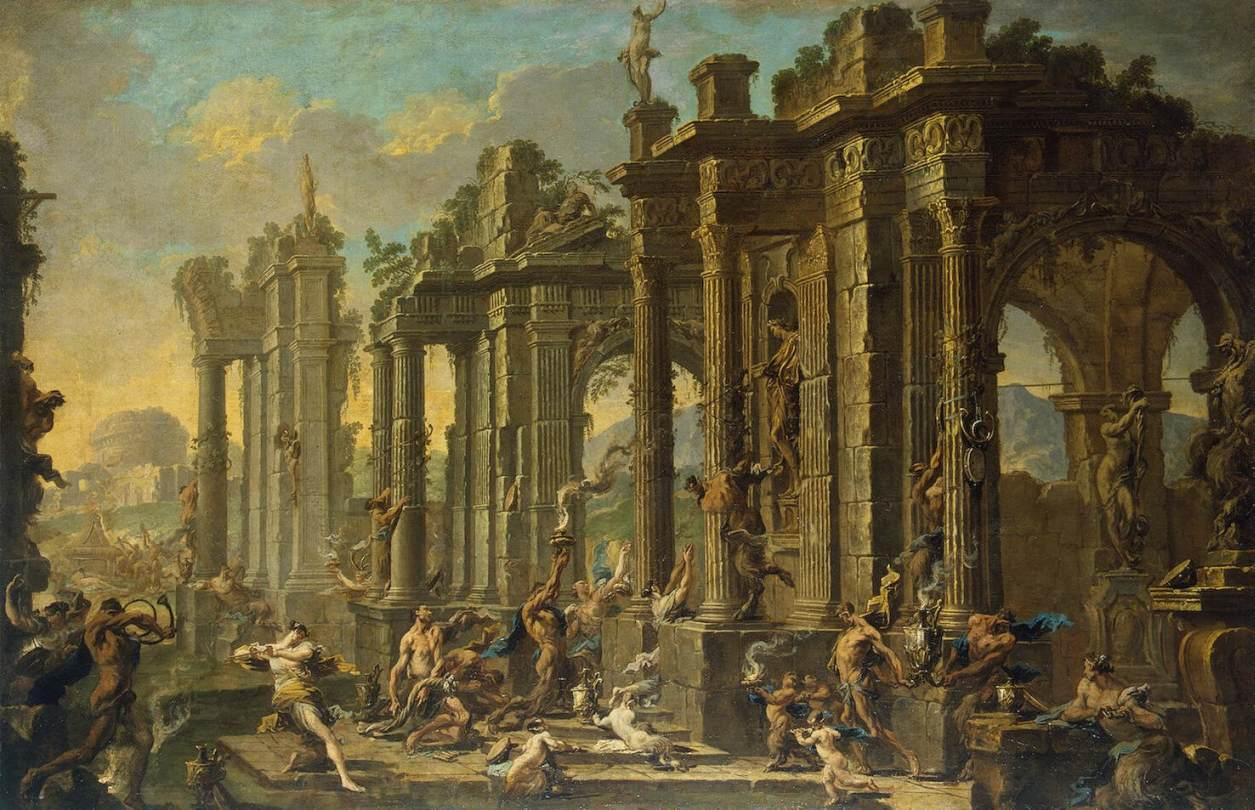


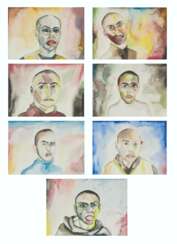

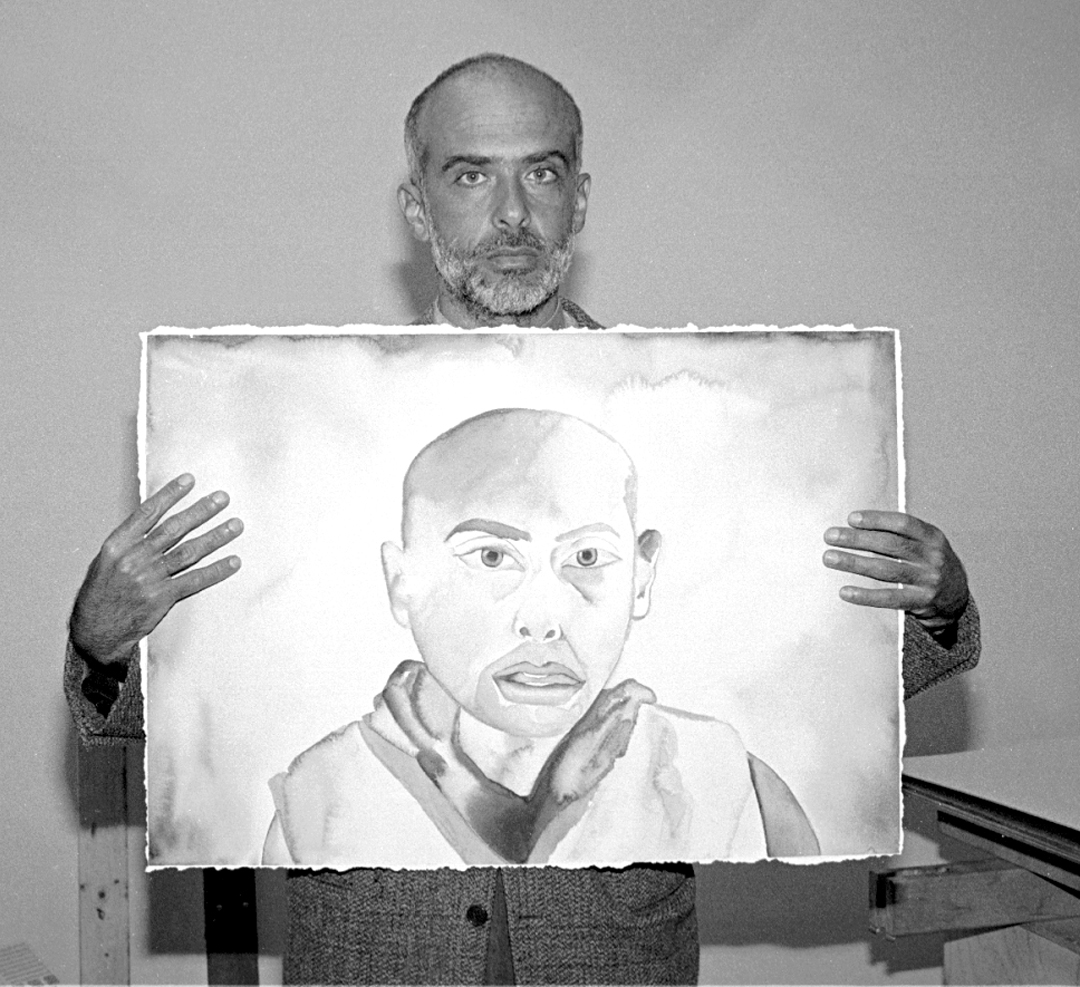
Francesco Clemente is an Italian contemporary artist. He has lived at various times in Italy, India and New York City. Some of his work is influenced by the traditional art and culture of India. He has worked in various artistic media including drawing, fresco, graphics, mosaic, oils and sculpture. He was among the principal figures in the Italian Transavanguardia movement of the 1980s, which was characterised by a rejection of Formalism and conceptual art and a return to figurative art and Symbolism.

Francesco Clemente is an Italian contemporary artist. He has lived at various times in Italy, India and New York City. Some of his work is influenced by the traditional art and culture of India. He has worked in various artistic media including drawing, fresco, graphics, mosaic, oils and sculpture. He was among the principal figures in the Italian Transavanguardia movement of the 1980s, which was characterised by a rejection of Formalism and conceptual art and a return to figurative art and Symbolism.

Francesco Clemente is an Italian contemporary artist. He has lived at various times in Italy, India and New York City. Some of his work is influenced by the traditional art and culture of India. He has worked in various artistic media including drawing, fresco, graphics, mosaic, oils and sculpture. He was among the principal figures in the Italian Transavanguardia movement of the 1980s, which was characterised by a rejection of Formalism and conceptual art and a return to figurative art and Symbolism.
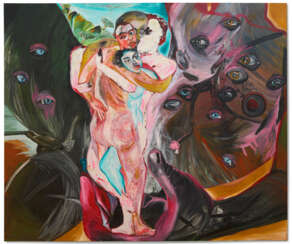

Francesco Clemente is an Italian contemporary artist. He has lived at various times in Italy, India and New York City. Some of his work is influenced by the traditional art and culture of India. He has worked in various artistic media including drawing, fresco, graphics, mosaic, oils and sculpture. He was among the principal figures in the Italian Transavanguardia movement of the 1980s, which was characterised by a rejection of Formalism and conceptual art and a return to figurative art and Symbolism.


Francesco Clemente is an Italian contemporary artist. He has lived at various times in Italy, India and New York City. Some of his work is influenced by the traditional art and culture of India. He has worked in various artistic media including drawing, fresco, graphics, mosaic, oils and sculpture. He was among the principal figures in the Italian Transavanguardia movement of the 1980s, which was characterised by a rejection of Formalism and conceptual art and a return to figurative art and Symbolism.
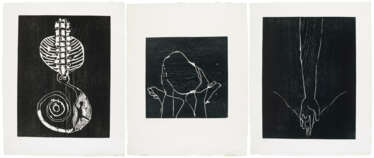

Francesco Clemente is an Italian contemporary artist. He has lived at various times in Italy, India and New York City. Some of his work is influenced by the traditional art and culture of India. He has worked in various artistic media including drawing, fresco, graphics, mosaic, oils and sculpture. He was among the principal figures in the Italian Transavanguardia movement of the 1980s, which was characterised by a rejection of Formalism and conceptual art and a return to figurative art and Symbolism.

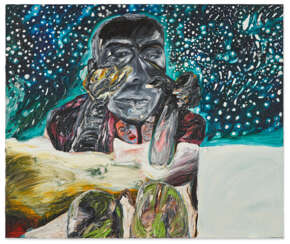

Francesco Clemente is an Italian contemporary artist. He has lived at various times in Italy, India and New York City. Some of his work is influenced by the traditional art and culture of India. He has worked in various artistic media including drawing, fresco, graphics, mosaic, oils and sculpture. He was among the principal figures in the Italian Transavanguardia movement of the 1980s, which was characterised by a rejection of Formalism and conceptual art and a return to figurative art and Symbolism.


Francesco Clemente is an Italian contemporary artist. He has lived at various times in Italy, India and New York City. Some of his work is influenced by the traditional art and culture of India. He has worked in various artistic media including drawing, fresco, graphics, mosaic, oils and sculpture. He was among the principal figures in the Italian Transavanguardia movement of the 1980s, which was characterised by a rejection of Formalism and conceptual art and a return to figurative art and Symbolism.
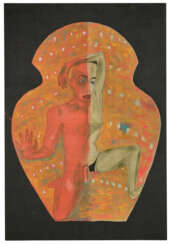

Francesco Clemente is an Italian contemporary artist. He has lived at various times in Italy, India and New York City. Some of his work is influenced by the traditional art and culture of India. He has worked in various artistic media including drawing, fresco, graphics, mosaic, oils and sculpture. He was among the principal figures in the Italian Transavanguardia movement of the 1980s, which was characterised by a rejection of Formalism and conceptual art and a return to figurative art and Symbolism.
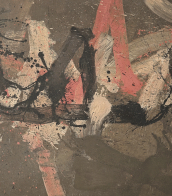
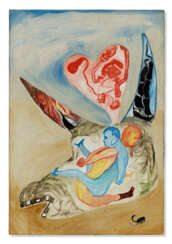

Francesco Clemente is an Italian contemporary artist. He has lived at various times in Italy, India and New York City. Some of his work is influenced by the traditional art and culture of India. He has worked in various artistic media including drawing, fresco, graphics, mosaic, oils and sculpture. He was among the principal figures in the Italian Transavanguardia movement of the 1980s, which was characterised by a rejection of Formalism and conceptual art and a return to figurative art and Symbolism.
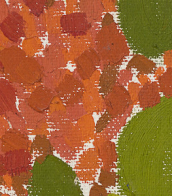
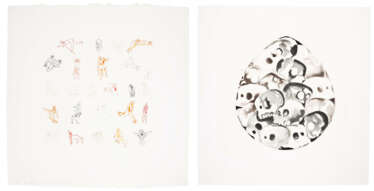

Francesco Clemente is an Italian contemporary artist. He has lived at various times in Italy, India and New York City. Some of his work is influenced by the traditional art and culture of India. He has worked in various artistic media including drawing, fresco, graphics, mosaic, oils and sculpture. He was among the principal figures in the Italian Transavanguardia movement of the 1980s, which was characterised by a rejection of Formalism and conceptual art and a return to figurative art and Symbolism.


Francesco Clemente is an Italian contemporary artist. He has lived at various times in Italy, India and New York City. Some of his work is influenced by the traditional art and culture of India. He has worked in various artistic media including drawing, fresco, graphics, mosaic, oils and sculpture. He was among the principal figures in the Italian Transavanguardia movement of the 1980s, which was characterised by a rejection of Formalism and conceptual art and a return to figurative art and Symbolism.
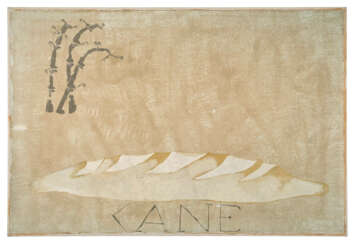

Francesco Clemente is an Italian contemporary artist. He has lived at various times in Italy, India and New York City. Some of his work is influenced by the traditional art and culture of India. He has worked in various artistic media including drawing, fresco, graphics, mosaic, oils and sculpture. He was among the principal figures in the Italian Transavanguardia movement of the 1980s, which was characterised by a rejection of Formalism and conceptual art and a return to figurative art and Symbolism.
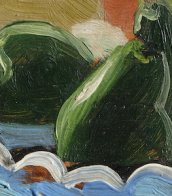
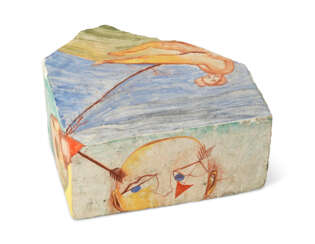

Francesco Clemente is an Italian contemporary artist. He has lived at various times in Italy, India and New York City. Some of his work is influenced by the traditional art and culture of India. He has worked in various artistic media including drawing, fresco, graphics, mosaic, oils and sculpture. He was among the principal figures in the Italian Transavanguardia movement of the 1980s, which was characterised by a rejection of Formalism and conceptual art and a return to figurative art and Symbolism.
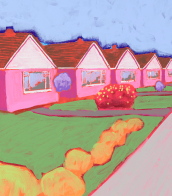
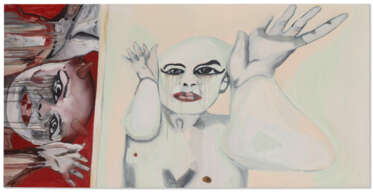

Francesco Clemente is an Italian contemporary artist. He has lived at various times in Italy, India and New York City. Some of his work is influenced by the traditional art and culture of India. He has worked in various artistic media including drawing, fresco, graphics, mosaic, oils and sculpture. He was among the principal figures in the Italian Transavanguardia movement of the 1980s, which was characterised by a rejection of Formalism and conceptual art and a return to figurative art and Symbolism.
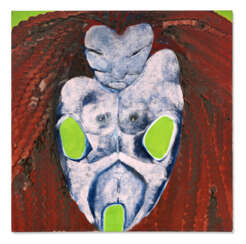

Francesco Clemente is an Italian contemporary artist. He has lived at various times in Italy, India and New York City. Some of his work is influenced by the traditional art and culture of India. He has worked in various artistic media including drawing, fresco, graphics, mosaic, oils and sculpture. He was among the principal figures in the Italian Transavanguardia movement of the 1980s, which was characterised by a rejection of Formalism and conceptual art and a return to figurative art and Symbolism.
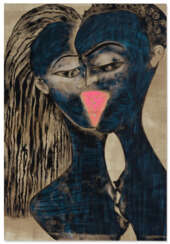

Francesco Clemente is an Italian contemporary artist. He has lived at various times in Italy, India and New York City. Some of his work is influenced by the traditional art and culture of India. He has worked in various artistic media including drawing, fresco, graphics, mosaic, oils and sculpture. He was among the principal figures in the Italian Transavanguardia movement of the 1980s, which was characterised by a rejection of Formalism and conceptual art and a return to figurative art and Symbolism.
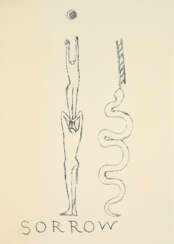

Francesco Clemente is an Italian contemporary artist. He has lived at various times in Italy, India and New York City. Some of his work is influenced by the traditional art and culture of India. He has worked in various artistic media including drawing, fresco, graphics, mosaic, oils and sculpture. He was among the principal figures in the Italian Transavanguardia movement of the 1980s, which was characterised by a rejection of Formalism and conceptual art and a return to figurative art and Symbolism.
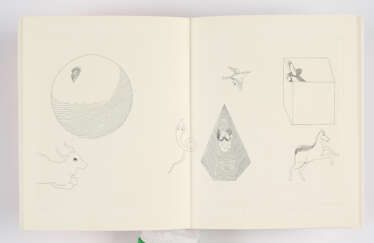

Francesco Clemente is an Italian contemporary artist. He has lived at various times in Italy, India and New York City. Some of his work is influenced by the traditional art and culture of India. He has worked in various artistic media including drawing, fresco, graphics, mosaic, oils and sculpture. He was among the principal figures in the Italian Transavanguardia movement of the 1980s, which was characterised by a rejection of Formalism and conceptual art and a return to figurative art and Symbolism.
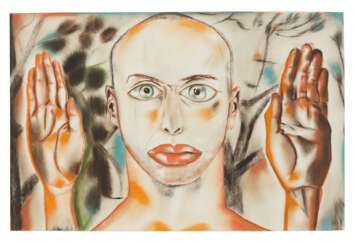

Francesco Clemente is an Italian contemporary artist. He has lived at various times in Italy, India and New York City. Some of his work is influenced by the traditional art and culture of India. He has worked in various artistic media including drawing, fresco, graphics, mosaic, oils and sculpture. He was among the principal figures in the Italian Transavanguardia movement of the 1980s, which was characterised by a rejection of Formalism and conceptual art and a return to figurative art and Symbolism.
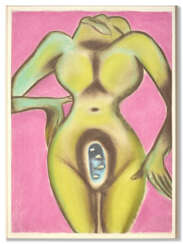

Francesco Clemente is an Italian contemporary artist. He has lived at various times in Italy, India and New York City. Some of his work is influenced by the traditional art and culture of India. He has worked in various artistic media including drawing, fresco, graphics, mosaic, oils and sculpture. He was among the principal figures in the Italian Transavanguardia movement of the 1980s, which was characterised by a rejection of Formalism and conceptual art and a return to figurative art and Symbolism.
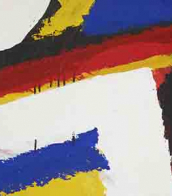


Francesco Clemente is an Italian contemporary artist. He has lived at various times in Italy, India and New York City. Some of his work is influenced by the traditional art and culture of India. He has worked in various artistic media including drawing, fresco, graphics, mosaic, oils and sculpture. He was among the principal figures in the Italian Transavanguardia movement of the 1980s, which was characterised by a rejection of Formalism and conceptual art and a return to figurative art and Symbolism.
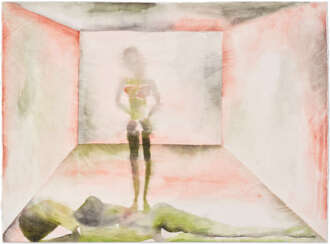

Francesco Clemente is an Italian contemporary artist. He has lived at various times in Italy, India and New York City. Some of his work is influenced by the traditional art and culture of India. He has worked in various artistic media including drawing, fresco, graphics, mosaic, oils and sculpture. He was among the principal figures in the Italian Transavanguardia movement of the 1980s, which was characterised by a rejection of Formalism and conceptual art and a return to figurative art and Symbolism.
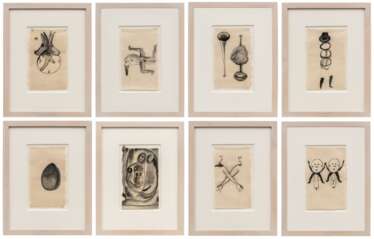

Francesco Clemente is an Italian contemporary artist. He has lived at various times in Italy, India and New York City. Some of his work is influenced by the traditional art and culture of India. He has worked in various artistic media including drawing, fresco, graphics, mosaic, oils and sculpture. He was among the principal figures in the Italian Transavanguardia movement of the 1980s, which was characterised by a rejection of Formalism and conceptual art and a return to figurative art and Symbolism.
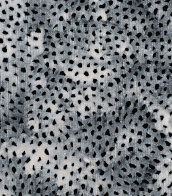
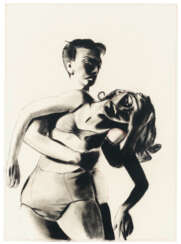

Francesco Clemente is an Italian contemporary artist. He has lived at various times in Italy, India and New York City. Some of his work is influenced by the traditional art and culture of India. He has worked in various artistic media including drawing, fresco, graphics, mosaic, oils and sculpture. He was among the principal figures in the Italian Transavanguardia movement of the 1980s, which was characterised by a rejection of Formalism and conceptual art and a return to figurative art and Symbolism.

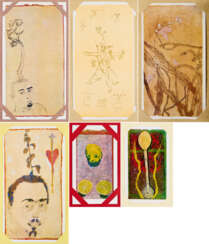

Francesco Clemente is an Italian contemporary artist. He has lived at various times in Italy, India and New York City. Some of his work is influenced by the traditional art and culture of India. He has worked in various artistic media including drawing, fresco, graphics, mosaic, oils and sculpture. He was among the principal figures in the Italian Transavanguardia movement of the 1980s, which was characterised by a rejection of Formalism and conceptual art and a return to figurative art and Symbolism.
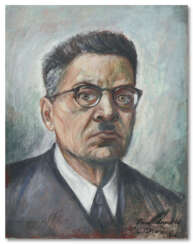

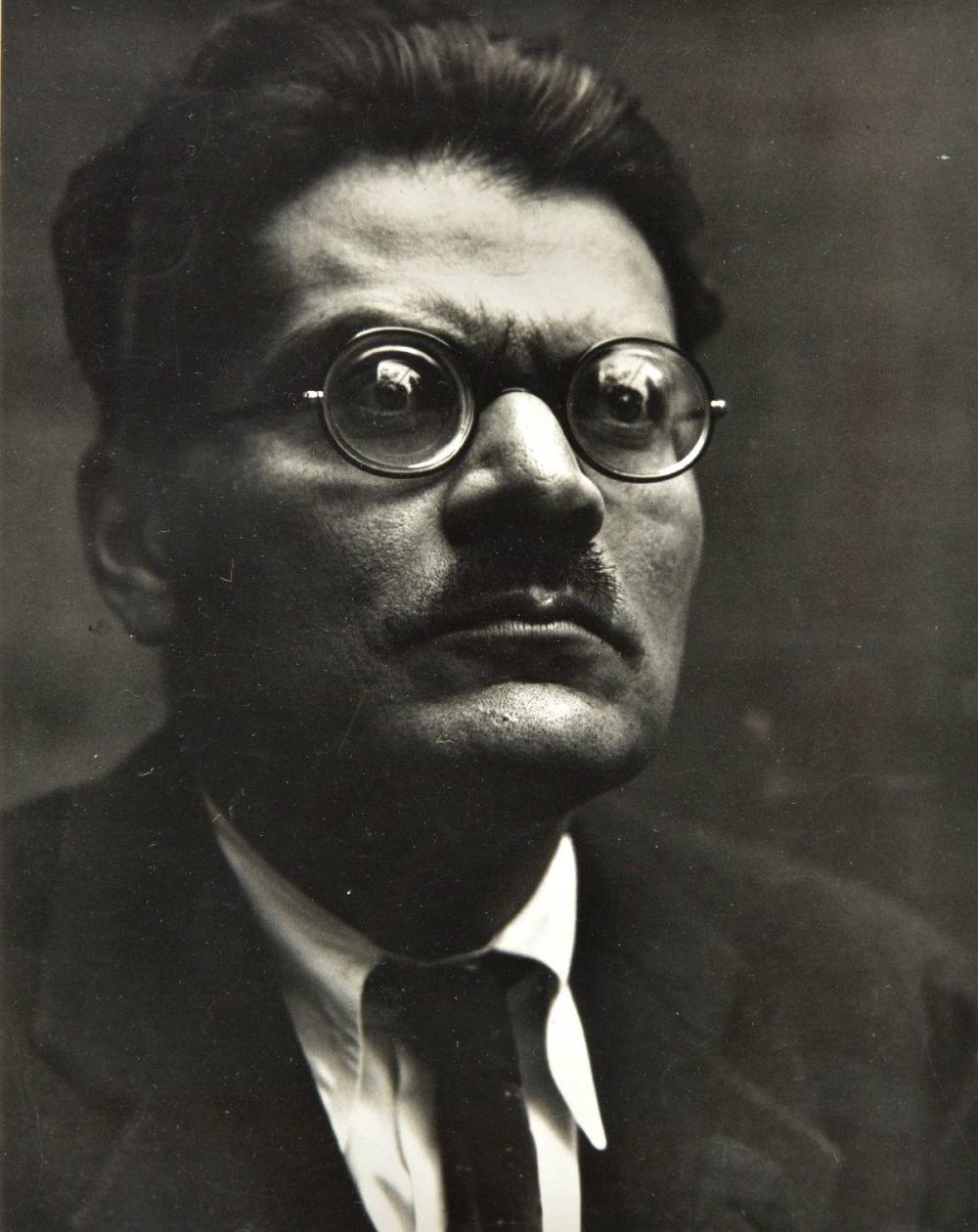
José Clemente Orozco was a Mexican caricaturist and painter, who specialized in political murals that established the Mexican Mural Renaissance together with murals by Diego Rivera, David Alfaro Siqueiros, and others. Orozco was the most complex of the Mexican muralists, fond of the theme of human suffering, but less realistic and more fascinated by machines than Rivera. Mostly influenced by Symbolism, he was also a genre painter and lithographer. Between 1922 and 1948, Orozco painted murals in Mexico City, Orizaba, Claremont, California, New York City, Hanover, New Hampshire, Guadalajara, Jalisco, Jiquilpan and Michoacán.
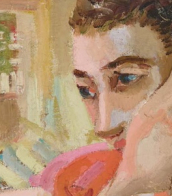


Francesco Clemente is an Italian contemporary artist. He has lived at various times in Italy, India and New York City. Some of his work is influenced by the traditional art and culture of India. He has worked in various artistic media including drawing, fresco, graphics, mosaic, oils and sculpture. He was among the principal figures in the Italian Transavanguardia movement of the 1980s, which was characterised by a rejection of Formalism and conceptual art and a return to figurative art and Symbolism.